ITOUCH RELIEF · BLOG
What Does a TENS Unit Do for Pain? Benefits and Limits
Learn what a TENS unit does, what pain relief research shows, and how to decide whether it belongs in your care plan.
The short answer
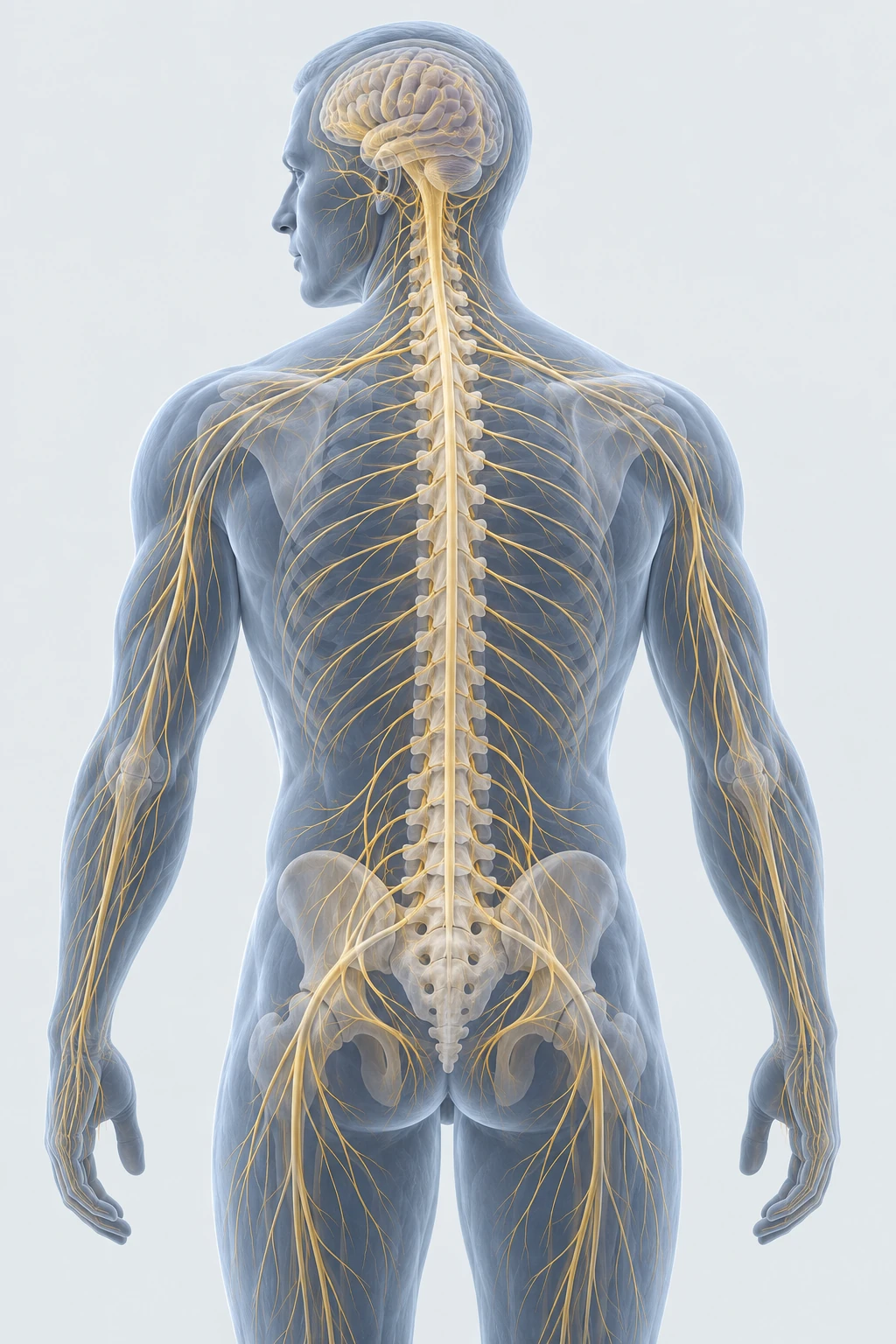
TENS sends electrical pulses through pads on the skin to help change the experience of pain. Relief is usually temporary, and the response differs between people. It does not diagnose the cause of pain. Healthdirect Australia: TENS
How TENS fits into pain care
TENS stands for transcutaneous electrical nerve stimulation. Think of it as a tool to discuss within a care plan, with a clear goal: for example, whether a specific daily activity feels more manageable. A lower pain score during one session does not establish that an injury has healed.
Before shopping, write down what you want help with. “My back hurts” is less useful than a description of when the pain appears, where it travels, and what activities it interrupts. Bring that description to a healthcare professional before choosing a device.
Does TENS actually work?
A 2022 review covering 381 trials found moderate-certainty evidence of lower pain during or immediately after TENS compared with placebo. The placebo comparison included 91 trials. This supports a short-term pain-relief effect; it does not establish a cure or prove that a particular retail brand is superior. Johnson et al., BMJ Open: meta-TENS study (2022)
Research across different pain conditions also should not be treated as a recommendation for every diagnosis. For low back pain and sciatica, read our separate guide to the condition-specific evidence before making a decision.
A practical way to assess value
If your clinician considers TENS appropriate, agree on what a useful result would look like. Record the activity, discomfort before use, comfort during the session, and whether any benefit remains afterward. Include the device model and settings so the experience can be discussed clearly.
- Choose one meaningful goal instead of trying to test every setting at once.
- Separate a pleasant sensation from a noticeable improvement in daily function.
- Ask when to reassess if the agreed goal is not being met.
- Keep the manual and your care instructions together.
What to check before buying
Compare the exact intended use, clarity of controls, pad availability, charging requirements, return conditions, and access to support in your country. These practical details can matter more to everyday ownership than a long list of modes.
A useful product demonstration should leave you able to explain the controls back to the demonstrator. Ask to see the manual and the replacement-pad specifications before deciding. Review our safety guide before your first session.
Frequently asked questions
Does TENS remove the cause of pain?
Temporary relief does not identify or resolve the underlying cause. Ask your clinician what treatment or assessment is needed alongside symptom management.
Is the strongest setting the best?
No. Follow the instructions for your exact model and your clinician’s advice. Do not use discomfort as a sign that a device is working harder.
Should I choose TENS or EMS?
They serve different purposes. Read the TENS versus EMS guide before comparing devices with both modes.
Sources and further reading
Sources checked September 21, 2026. Educational information from ITouch Relief; it does not replace medical assessment or the manufacturer’s instructions.