ITOUCH RELIEF · BLOG
TENS Pads Not Sticking? Care, Replacement and Troubleshooting
Learn how to care for TENS electrode pads, investigate weak contact and choose compatible replacements without guessing.
The short answer
If pads will not stay attached, turn the unit off and check the skin, electrodes and connections. Follow the care instructions for that pad type. Replace worn pads rather than trying to solve poor contact by increasing intensity. Leeds Teaching Hospitals: TENS for pain control
Start with a simple inspection
Check the pad surface for damage or contamination and inspect the lead and connector. Review whether your skin and the electrode were prepared as the manual describes. If the pad keeps lifting, stop and identify the cause before another session.
Useful details to note include the pad brand, approximate age, storage method and whether the problem affects one pad or every pad. This makes a support request more useful than “the machine feels weak.” A change in sensation can have several causes; do not assume the battery or the pad is responsible without checking.
Cleaning advice is specific to the product
The FDA advises following the manufacturer’s cleaning instructions for home-use devices. Keep the care directions supplied with your electrodes, and ask the supplier for a copy if they are missing. FDA: questions about home use devices
Before trying to restore stickiness, identify the exact pad instructions. Do not copy a cleaning tip from a different electrode material. Avoid improvised adhesives and do not cut or alter electrodes unless their manufacturer expressly instructs you to do so.
Buying replacement pads without a compatibility guess
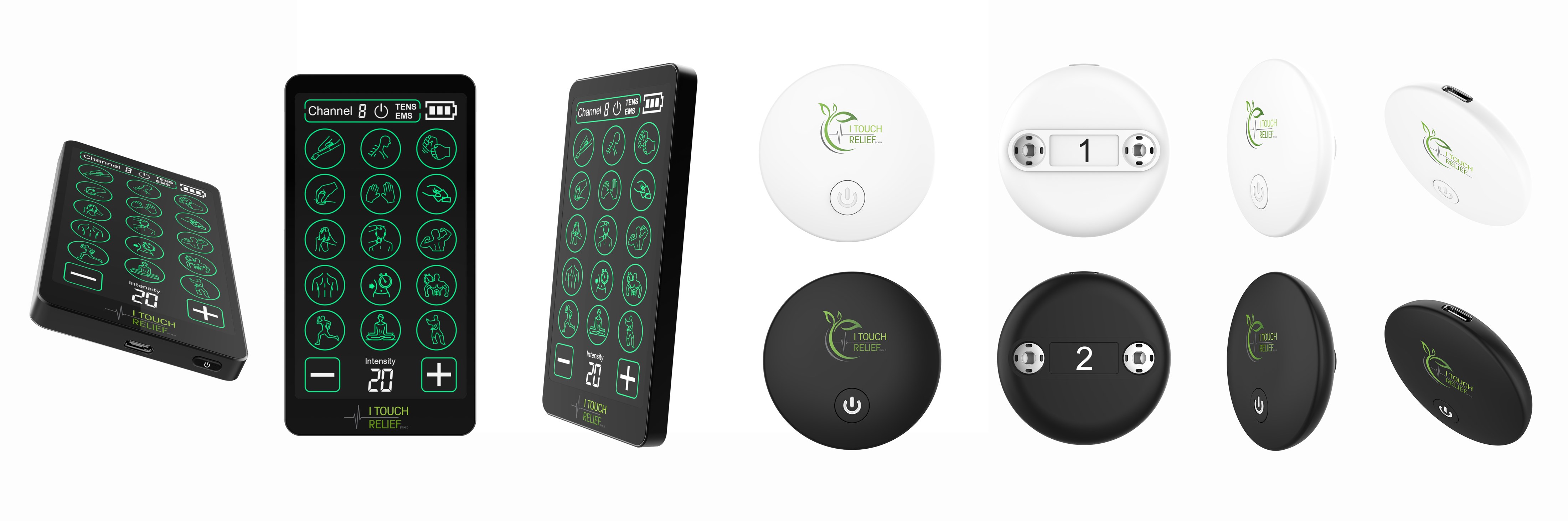
Matching the brand name or visual shape is not enough information. Ask the supplier to confirm the exact compatible replacement for your device and accessory arrangement.
- Device model and, where relevant, receiver or lead model.
- Connector type and any required adapter.
- Electrode size and intended placement.
- Whether the product is reusable and how it should be stored.
- Replacement cost, availability and support in your country.
A clear product listing should answer these points or give you a way to obtain the answer. Confirm that replacement accessories are specified for your exact ITouch Relief model.
When the problem needs help
Leeds Teaching Hospitals recommends checking pad contact and the battery when TENS stops helping. Its guidance also describes removing pads without pulling on the wire and storing them on the backing sheet. Leeds Teaching Hospitals: TENS for pain control
If basic checks do not resolve a connection problem, stop using the affected equipment and contact the supplier. If the issue is a rash, persistent discomfort or a change in your pain, seek clinical advice as well. Product support can help identify a part; it cannot diagnose a medical symptom.
Frequently asked questions
How many uses should a pad last?
There is no reliable universal count. Check the manufacturer’s stated life and replacement criteria for that electrode.
Can I make every pad sticky with water?
No single cleaning method applies to all products. Use water only when your electrode instructions permit it.
Can I share pads with someone else?
Keep pads for your own use and follow the product’s hygiene guidance. Label stored sets if several people in a household use similar devices.
Sources and further reading
Sources checked September 21, 2026. Educational information from ITouch Relief; it does not replace medical assessment or the manufacturer’s instructions.