ITOUCH RELIEF · BLOG
TENS for Sciatica and Lower Back Pain: What the Evidence Says
Explore the limits of TENS for sciatica, the NICE recommendation, warning signs and questions to discuss with a healthcare professional.
The short answer
TENS is not a proven way to fix the cause of sciatica. NICE recommends against offering it for low back pain with or without sciatica. Discuss an appropriate assessment and treatment plan instead of relying on a device claim. NICE NG59: low back pain and sciatica, recommendation 1.2.11
Why sciatica needs a specific discussion
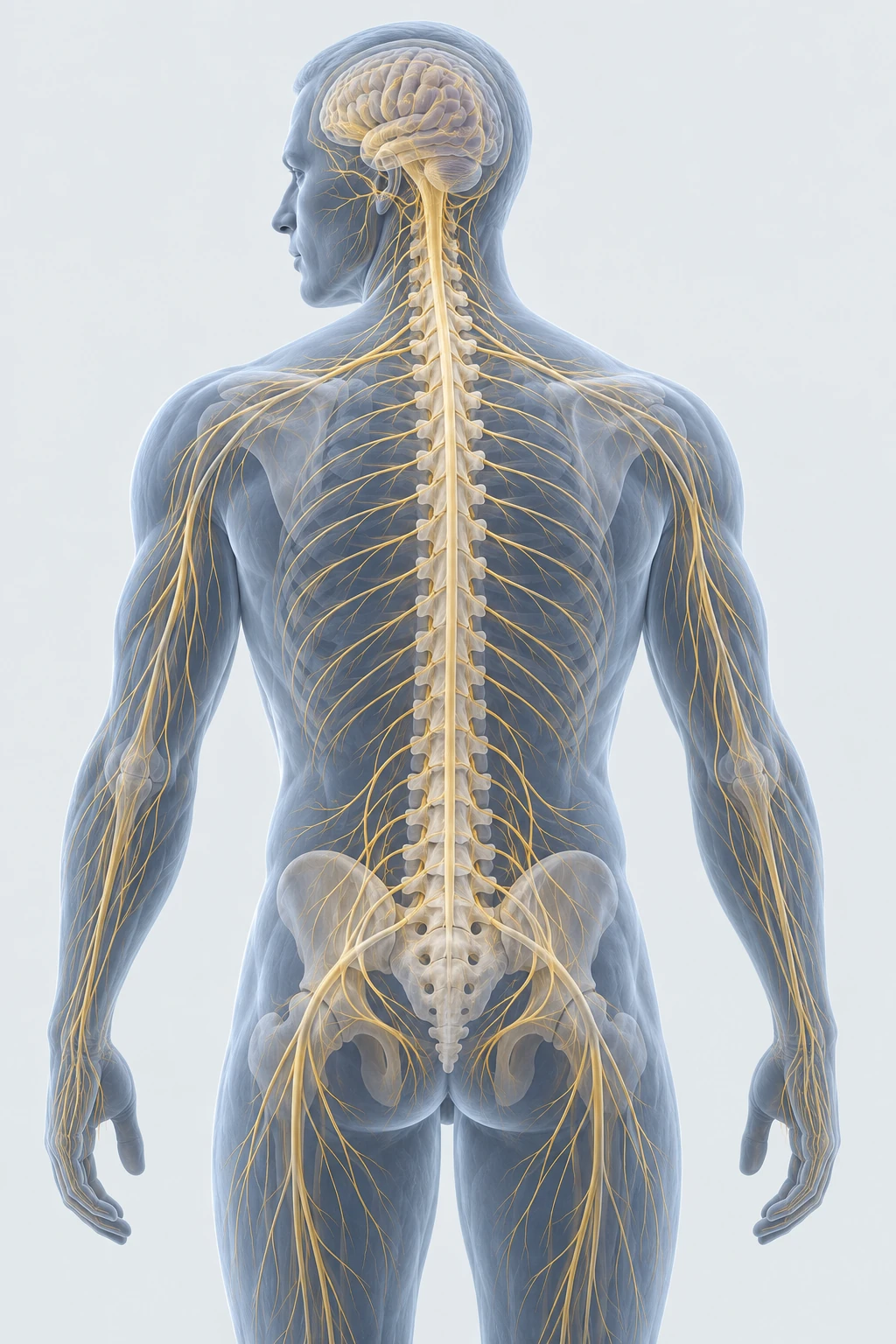
Sciatica involves irritation or compression of the sciatic nerve and can include pain traveling into a leg, tingling, numbness or weakness. Back pain alone is not necessarily sciatica. A device advertisement cannot tell you which problem you have. NHS: Sciatica
When preparing for a visit, describe where symptoms start, where they travel, what triggers them and what is changing. Explain how walking, sitting and sleep are affected. That description is more useful than choosing a treatment based only on a familiar label.
How to read conflicting claims about TENS
A positive finding about short-term pain across many diagnoses is a different question from whether a treatment should be offered for sciatica. NICE’s condition-specific guideline advises against TENS for low back pain, including cases with sciatica. NICE NG59: low back pain and sciatica, recommendation 1.2.11
A testimonial can describe someone’s experience without establishing what caused an improvement or whether the same outcome will occur for you. Similarly, a pad-placement chart does not demonstrate effectiveness. Ask what evidence applies to your diagnosis, rather than accepting a general “pain relief” claim as a complete answer.
Questions to take to an appointment
- What is the likely explanation for my symptoms?
- Is there anything in my history or examination that changes the plan?
- Which activities can I continue, and what should I modify?
- Would an exercise or physiotherapy plan help me meet my goals?
- What should I do if symptoms worsen or do not improve?
- If I already own a TENS device, how should I discuss it within that plan?
Keep the discussion focused on function and follow-up. Ask for understandable next steps, including when to reassess, rather than looking for a single device to solve every part of the problem.
Warning signs that should not wait
Seek emergency medical care for new difficulty controlling or passing urine, loss of bowel control, numbness around the genitals or anus, or severe or worsening weakness or numbness in both legs. Symptoms on both sides also need urgent assessment. These can indicate a serious spinal problem. NHS: Sciatica
Do not delay urgent care to test an electrode placement. Use your local emergency service. For symptoms that are worsening, limiting normal activities or not improving, arrange a medical assessment even if the situation does not feel like an emergency.
Frequently asked questions
Does TENS release a trapped sciatic nerve?
Do not interpret temporary symptom change as evidence that pressure on a nerve has been resolved.
Why do some websites recommend it anyway?
They may refer to personal experiences or broader pain studies. Check whether a recommendation addresses sciatica specifically and explains the limits of the evidence.
Should I buy a device before getting a diagnosis?
Get advice about the cause and an appropriate plan first. A product consultation is not a medical diagnosis.
Sources and further reading
Sources checked September 21, 2026. Educational information from ITouch Relief; it does not replace medical assessment or the manufacturer’s instructions.