ITOUCH RELIEF · BLOG
TENS vs EMS: What Is the Difference?
Compare TENS and EMS, their different purposes, what a combination device means, and the questions to ask before choosing a mode.
The short answer
TENS is used for pain management; EMS stimulates muscle contraction. Similar-looking pads do not make the modes interchangeable. Select a mode according to the device’s intended use and professional advice. FDA: Electronic Muscle Stimulators Cleveland Clinic: TENS
The difference in everyday terms
| Question | TENS | EMS |
|---|---|---|
| Main purpose | Managing pain sensations | Stimulating muscle contraction |
| What to ask | Is it appropriate for my pain problem? | Is this muscle program appropriate for my goal? |
| What to verify | Approved use, mode and placement for the model | Approved use, mode and placement for the model |
The FDA describes muscle re-education and other rehabilitation uses for certain prescription EMS devices. Those uses do not automatically apply to every consumer stimulator. FDA: Electronic Muscle Stimulators
Does TENS build muscle or help with weight loss?
A pain-relief setting should not be selected as a substitute for a strength-training plan. The FDA says EMS devices alone do not produce “six-pack” abs and that no EMS devices have been cleared for weight loss under the guidance cited here. FDA: Electronic Muscle Stimulators
Before accepting a fitness claim, ask which exact device, intended use and evidence support it. A photo of an athletic person is not evidence of a training outcome. A program count also does not explain what that program is designed to do.
What a TENS and EMS combination device means
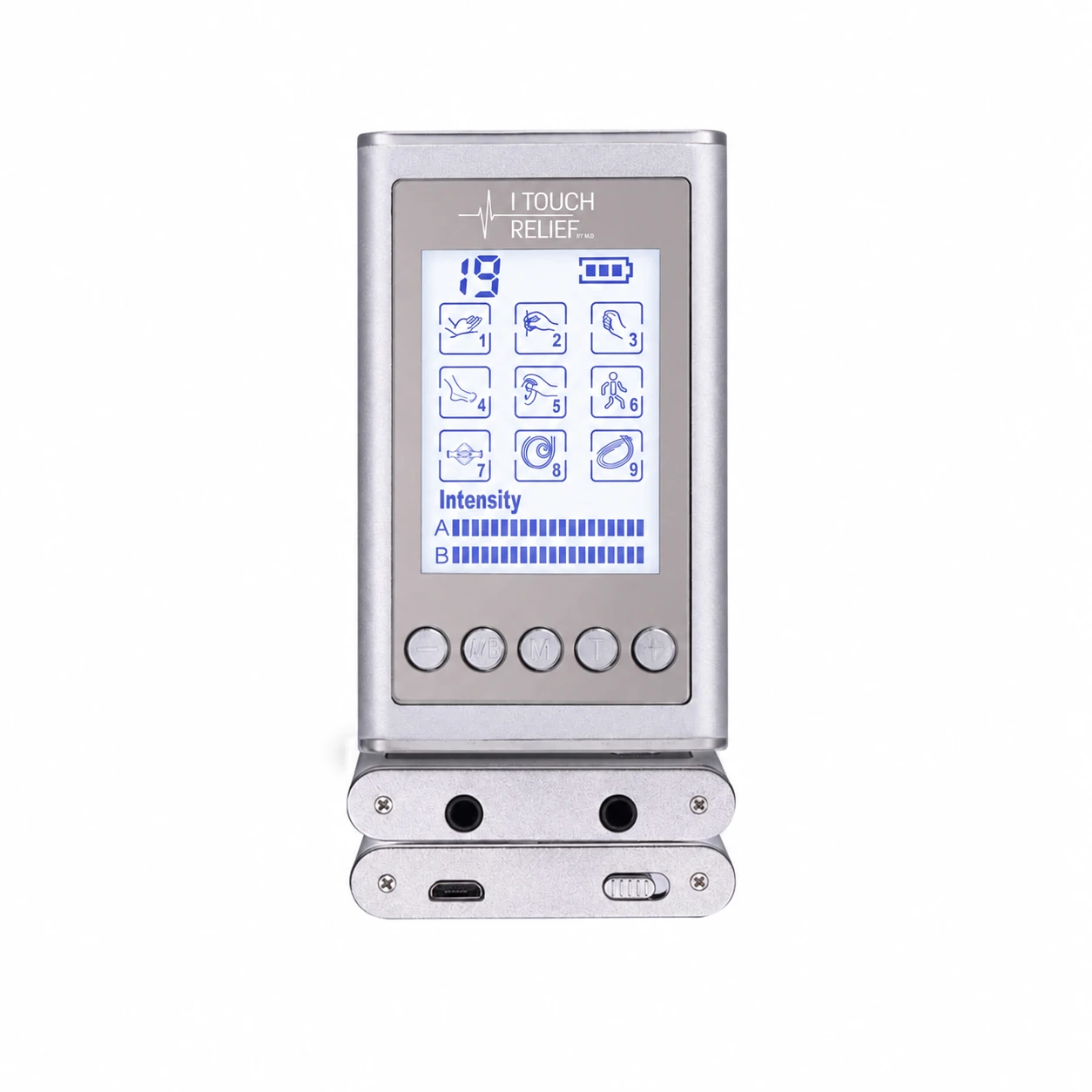
A combined device may provide both kinds of stimulation, but you still need to identify the active mode. Keep a note of the program name or number and where the manual explains it. Mode labels are not standardized across brands, so “mode 3” on one unit should not be assumed equivalent to “mode 3” on another.
For a demonstration, ask the seller to show the mode selection, intensity adjustment and off switch. You should understand how to stop the session before you begin it.
Questions that make a comparison useful
- Which mode is intended for the reason I am buying this device?
- Is that use described in the manual for this exact model?
- Do the two channels, if present, have separate controls?
- Which pads and accessories are compatible?
- Can I get understandable instructions and support where I live?
Write the answers for each model side by side. If a seller cannot explain a feature without promising a cure or dramatic body change, request the underlying documentation before buying.
Frequently asked questions
Are TENS and EMS the same as a massage gun?
No. A massage gun is a different type of device. Choose according to the intended purpose, rather than treating every product labeled “recovery” as equivalent.
Can I copy settings from another brand?
Do not assume program numbers or intensity levels match. Use the instructions for your own model.
Is more muscle movement always better?
Visible movement alone does not tell you whether a program suits your goal. Ask a qualified professional about the appropriate mode and use.
Sources and further reading
Sources checked September 21, 2026. Educational information from ITouch Relief; it does not replace medical assessment or the manufacturer’s instructions.